


The iGaming Edge: How Smart Players Approach Slots, Poker, and Betting
Most people think iGaming is just about luck. They fire up a slot machine, spin a few times, and hope for the best. But if you've ever watched a seasoned p
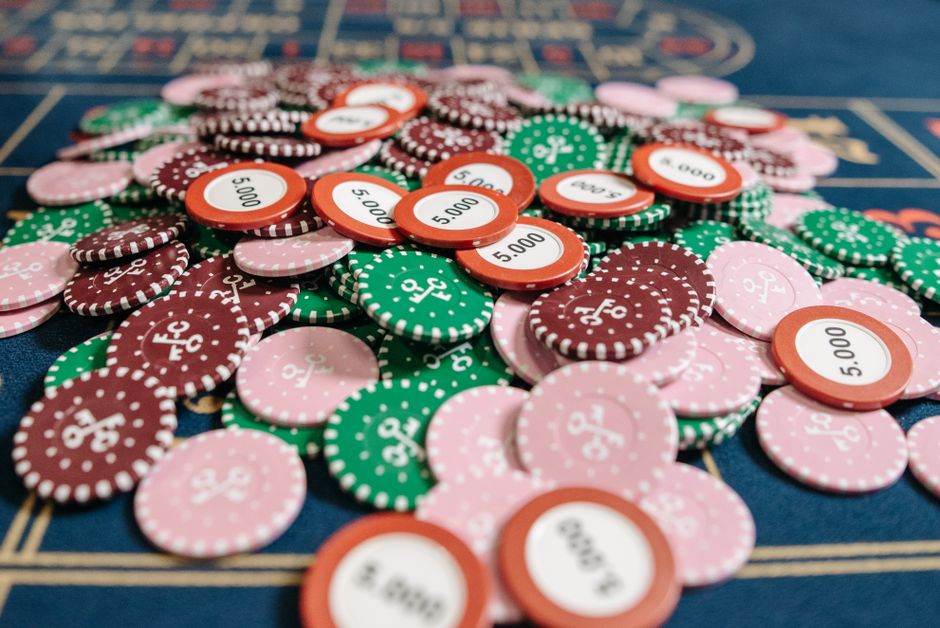
Most people think iGaming is just about luck. They fire up a slot machine, spin a few times, and hope for the best. But if you've ever watched a seasoned poker player read a table, or a bettor who consistently grinds out profits on football weekends, you know there's more to it. The difference between a casual player and someone who actually enjoys the ride—and occasionally wins—comes down to approach, discipline, and understanding the math behind the games. This isn't about chasing a jackpot fantasy. It's about treating iGaming as a skill you can sharpen.
Slots: More Than Just Pressing Spin
Slots get a bad rap among strategy purists, and for good reason. You can't influence the outcome of a spin. But you can choose which machines to play and how to manage your bankroll. That's where the edge lives. Many readers start with 88CLB when comparing options.
First, understand volatility. High-volatility slots pay less often but can hit huge. Low-volatility slots pay frequently but in smaller amounts. If you're playing with a $50 bankroll, a high-volatility slot might eat your balance in ten minutes. A low-volatility game could keep you entertained for an hour. Neither is 'better'—it depends on what you want from the session.
Second, look at RTP—return to player. Most online slots range from 94% to 97%. That 3% difference might seem small, but over thousands of spins it matters. A 97% RTP slot loses you $3 for every $100 wagered on average. A 94% slot loses $6. That's double the house edge. Always check the info screen before you play.
- Set a loss limit before you start. If you deposit $100, decide that $60 is your walk-away point. No exceptions.
- Use free spins and bonuses wisely. Read the wagering requirements. A 40x requirement on a $10 bonus means you need to wager $400 before withdrawing anything.
- Avoid 'hot' and 'cold' machine myths. Each spin is independent. A machine that hasn't paid in an hour is no more likely to pay now.
Poker: The Game of Decisions, Not Cards
Poker is the one iGaming discipline where skill can genuinely outweigh luck over time. That's not opinion—it's math. In Texas Hold'em, skilled players consistently beat weaker ones because they make better decisions with incomplete information.
Start with position. Where you sit at the table dictates how many hands you should play. In early position (first to act after the blinds), you should fold almost everything except premium hands like AA, KK, QQ, AK. In late position (the button), you can open up and play suited connectors, small pairs, and even some offsuit broadways. Why? Because you get to see what everyone else does before you act.
Then there's bet sizing. Beginners often bet the minimum or go all-in. Neither is optimal. A standard raise is 2.5x to 3x the big blind preflop. Postflop, bet around 50% to 75% of the pot. This keeps your opponents guessing and charges them to draw.
One more tip: track your results. Not just wins and losses, but how you played specific hands. Did you call a big river bet with second pair? That's a leak. Over 10,000 hands, those leaks compound. Use a tracker or a simple spreadsheet. You'll be shocked at what you find.
Sports Betting: Finding Value in the Noise
Sports betting isn't about picking winners. It's about finding value—when the odds offered are higher than the true probability of the outcome. That's the only long-term path to profit.
Example: A team has a 60% chance to win. Fair odds would be -150 (implied probability 60%). If a bookmaker offers -120 (implied 54.5%), that's value. You bet. If they offer -180 (implied 64.3%), you pass. The math doesn't care about your gut feeling.
How do you estimate true probability? Combine data with context. Look at recent form, injuries, weather, travel schedules. But don't overreact to small samples. A team that lost three straight isn't suddenly terrible. Regression to the mean is real. Readers looking for specifics may like 88CLB COM.
Also, shop around. Different sportsbooks offer different lines. A half-point difference in a spread or a few cents on a moneyline adds up over hundreds of bets. Use at least three books and always take the best price.
- Bet flat. 1-2% of your bankroll per play. This protects you from variance.
- Avoid parlays. The house edge multiplies with every leg. A two-team parlay has roughly double the edge of a straight bet.
- Track closing lines. If your bet consistently beats the closing line, you're sharp. If not, you're likely losing long-term.
Bankroll Management: The Unsexy Skill That Wins
You can be the best poker player or the sharpest bettor, but if you don't manage your bankroll, you'll go broke. It's that simple.
First, separate your iGaming bankroll from your living expenses. Never deposit money you can't afford to lose. That's not a cliché—it's the first rule of survival.
Second, size your bets according to your bankroll. For poker, a common rule is 20 buy-ins for cash games. If you play $1/$2 no-limit, you need at least $4,000. For sports betting, 1-2% per bet. For slots, set a session limit of 10-20% of your total bankroll.
Third, move up and down in stakes based on performance. If you lose 10% of your bankroll, drop down. If you double it, consider moving up—but only if you're consistently winning at your current level.
Mental Game: Tilt, Discipline, and Taking Breaks
Even the best players lose. The difference is how they handle it. Tilt—the emotional spiral after a bad beat—is the number one bankroll killer in iGaming. You chase losses, make reckless bets, and suddenly your $200 deposit is gone.
Recognize your triggers. For some, it's a bad river card in poker. For others, it's a favorite team losing on a last-second field goal. When you feel that heat rising, stop. Close the laptop. Go for a walk. Come back tomorrow. The games will still be there.
Discipline also means sticking to your pre-session plan. If you said you'd play for two hours, stop at two hours. If you said you'd only bet $50, don't deposit another $50 because you're 'due.' That's not how probability works.
Final Thoughts: Treat iGaming Like a Skill
The honest truth is that the house always has an edge in casino games and slots. In poker and sports betting, skilled players can flip that edge in their favor—but only with work. There's no shortcut. No system that beats the math. What you can control is your decisions, your bankroll, and your emotional state.
So the next time you log into an online casino or place a bet, don't just chase the thrill. Think about volatility, value, and variance. Set limits. Track results. And remember that the best players aren't the ones who win every session—they're the ones who last long enough to let the math work in their favor. That's the real iGaming edge.


Post a comment